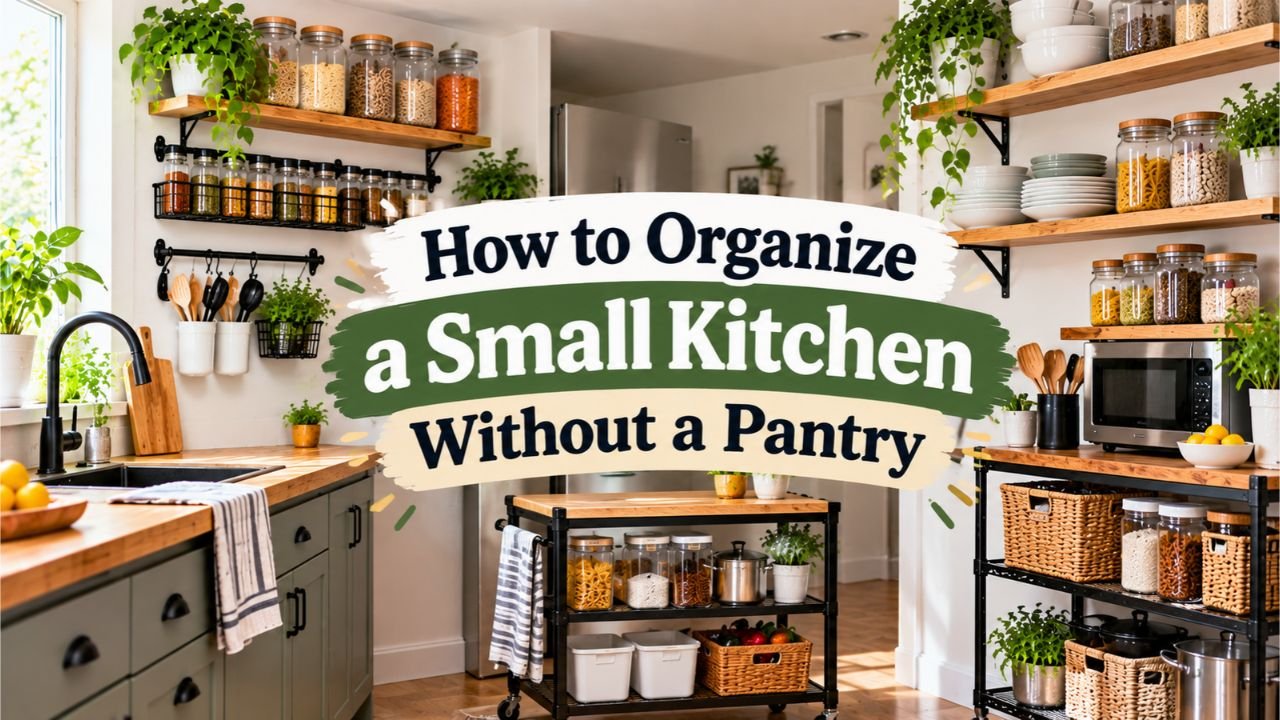
How to Organize a Small Kitchen Without a Pantry: 8 Storage Fixes
Setting up a food storage system in a kitchen that lacks a dedicated pantry closet requires turning narrow refrigerator gaps, blank walls, and deep cabinet shelves into structured grocery zones. By combining clear square food canisters, multi-tier over-the-door wire racks, rolling utility carts, and stackable shelf risers, you can store dry grains, canned goods, and baking supplies neatly while keeping your kitchen counters entirely clear for food preparation.
Living with zero pantry space quickly turns grocery shopping into an overwhelming puzzle. When bags of rice, boxes of pasta, cereal boxes, and canned tomatoes get jammed into random corners or piled on top of the microwave, finding a single ingredient feels impossible, food expires hidden in the back, and cooking dinner becomes stressful.
Creating dedicated food storage zones without a walk-in pantry immediately restores your counter space and protects dry ingredients from heat and moisture. A structured cabinet-free grocery setup keeps whole grains airtight against pests, protects spices from stove steam, and lets you see every can and snack box at a glance before you head out to the supermarket.
Compact kitchen footprints with zero pantry space are standard in millions of American rental apartments and historic homes. According to historical kitchen layout research from the National Kitchen and Bath Association (NKBA), while larger suburban homes feature expansive walk-in pantries, kitchens in smaller U.S. homes under 1,500 square feet average only 103 square feet—forcing homeowners to invent creative storage solutions outside of dedicated pantry closets.
What stood out to me during my research into pantry-free apartment layouts is how much unused vertical space sits directly behind entry doors, on the sides of refrigerators, and underneath upper cabinets. Figuring out how to organize a small kitchen without a pantry means looking past traditional kitchen blueprints and treating every blank door and narrow gap as potential grocery shelving.
One common mistake that ruins pantry-free setups is leaving dry goods in their crinkled paper bags and flimsy cardboard boxes on open shelves. Because there are no pantry doors to hide the clutter, storing loose packaging makes the room look messy and invites pantry moths. Decanting staples into uniform clear containers solves both problems instantly.
Below, you will find step-by-step methods for auditing your food inventory, setting up slim rolling carts, mounting over-the-door racks, decanting grains into airtight jars, utilizing dead corner zones, and organizing bulk supplies so your food stays fresh and easy to grab.
How to Audit and Sort Food Before Organizing a Pantry-Free Kitchen
Before buying a single storage bin or shelf, you must take a complete inventory of your dry groceries and eliminate expired items. In a kitchen with no pantry, keeping stale flour, duplicate spices, or expired canned beans steals precious room from the ingredients you actually cook with every week.
Pulling Out All Dry Goods and Checking Expiration Dates
Start by clearing every food item off your counters, shelves, and refrigerator tops and grouping them on a kitchen table by category: baking supplies, canned goods, breakfast foods, snacks, oils, and spices. Check the expiration dates on every can, jar, and spice bottle.
In my research, I found that households without pantries often accumulate duplicate packages simply because they cannot see what is hidden behind other boxes. Toss stale crackers, expired baking powder, and mystery spice blends you have not touched in two years.
Grouping Foods Into Functional Cooking and Meal Categories
Once you pare down your inventory to edible, in-date groceries, divide the remaining items into five clear functional food zones:
- The Breakfast and Coffee Zone: Oats, cereal, granola bars, coffee beans, tea bags, and sweeteners.
- The Baking and Grain Zone: All-purpose flour, white sugar, brown sugar, white rice, dried pasta, lentils, and baking soda.
- The Canned and Jarred Goods Zone: Canned tomatoes, black beans, tuna pouches, chicken broth cartons, pasta sauces, and salsas.
- The Snack and Lunch Zone: Crackers, nuts, dried fruit, peanut butter, and lunchbox snacks.
- The Cooking Oils and Spice Zone: Olive oil, vinegar bottles, salt, pepper, and everyday seasoning jars.
Measuring Cabinet Depth and Vertical Shelf Clearances
Before shopping for storage baskets or canisters, pull out a tape measure and record the exact interior depth and vertical height of your kitchen cupboards. Standard upper kitchen cabinets measure 12 inches deep, while base cabinets measure 24 inches deep, but older apartments frequently feature shallow shelves measuring only 9 to 10 inches deep.
Recording these exact measurements in inches ensures that the square acrylic bins or stackable canisters you buy will slide smoothly onto your shelves without blocking the cabinet doors from closing flat.
Key Takeaway: Audit your food inventory to discard expired items, group groceries into five functional cooking zones, and measure exact shelf depths before choosing storage containers.
How to Store Dry Groceries Using Slim Rolling Carts and Gaps
When you do not have a pantry closet, you have to create a pantry out of movable furniture. Tapping into narrow, overlooked gaps around your kitchen footprint adds massive storage capacity without shrinking your walking paths.
Sliding Slim Rolling Pantry Carts Into Refrigerator Gaps
Have you ever looked closely at the narrow dead gap between the side of your refrigerator and the adjacent wall? Most kitchens leave a 5-inch to 9-inch gap next to the fridge to allow proper airflow and door clearance.
Sliding a four-tier slim rolling pantry cart on smooth caster wheels into that slot creates an instant floor-to-ceiling grocery cupboard. Because the shelves feature raised guardrails, tall olive oil bottles, vinegar cruets, canned beans, broth cartons, and spice jars stay completely secure when you pull the cart out by its handle to grab an ingredient while cooking.
Repurposing Narrow Bookcases and Bar Carts for Food Storage
You do not have to shop strictly in the kitchen aisle to build a food storage station. A narrow wooden bookcase measuring 10 to 12 inches deep fits flush against a blank hallway wall, dining nook, or kitchen entryway without crowding walkway traffic, and that shallow depth prevents cans and jars from getting lost in a dark back row.
In my view, a shallow bookcase beats deep kitchen cupboards for food storage because you can see every single item at a glance. Place heavy canned goods on the lower shelves, cereal and snack baskets at waist height, and lightweight spice jars on the upper shelves.
Using Tiered Corner Shelves and Countertop Risers
Countertop corners are notoriously awkward spots where small items disappear. Tucking a two-tier bamboo corner shelf riser or a 10-inch stainless-steel Lazy Susan turntable into a dead corner lets you stack everyday cooking oils, vinegar bottles, and honey jars vertically in a single compact footprint.
Key Takeaway: Build an instant pantry by sliding a slim rolling cart into refrigerator gaps, placing a shallow 12-inch bookcase against a blank wall, or using Lazy Susan turntables in deep corners.
How to Maximize Cabinet Shelves Without a Pantry
Without a walk-in pantry closet, your regular kitchen cabinets have to pull double duty as both dish storage and grocery storage. Maximizing the vertical air inside those cupboards solves the space crunch.
| Cabinet Storage Product | Average Price Range | Best Food Items to Store | Space-Saving Benefit |
| Clear Acrylic Pull-Out Bins | $15 – $25 | Snack bars, pasta packets, baking pouches, soup cans | Pulls out like a drawer so nothing gets lost in the back |
| Stackable Clear Canisters | $25 – $45 (set) | Flour, sugar, rice, rolled oats, coffee beans, lentils | Eliminates wasted corner gaps and blocks pantry moths |
| Three-Tier Stadium Risers | $12 – $18 | Spice jars, vanilla extract, small condiment bottles | Elevates back row so every label is instantly visible |
| Under-Shelf Wire Baskets | $10 – $15 | Tortillas, foil wrap sheets, linen napkins, tea boxes | Uses dead vertical air hanging directly beneath shelves |
| Over-the-Door Wire Racks | $20 – $35 | Canned goods, condiments, small snack pouches, oils | Turns empty door interior into multi-tier grocery shelving |
Splitting Tall Shelves With Wire Risers and Under-Shelf Baskets
Standard upper kitchen cabinets feature fixed shelves spaced 12 to 15 inches apart, while a bag of pasta or a can of soup only stands 4 to 6 inches tall. Splitting that empty vertical gap doubles your food storage capacity overnight.
Place an expandable metal cabinet shelf riser on your cupboard shelf. Store canned beans underneath the wire platform and set boxes of tea or small snack bags on top, allowing you to grab a soup can without dismantling a precarious stack of boxes. For even more storage, slide a coated wire under-shelf hanging basket onto the upper shelf plank to hold flat items like flour tortillas, seaweed sheets, or baking chocolate bars.
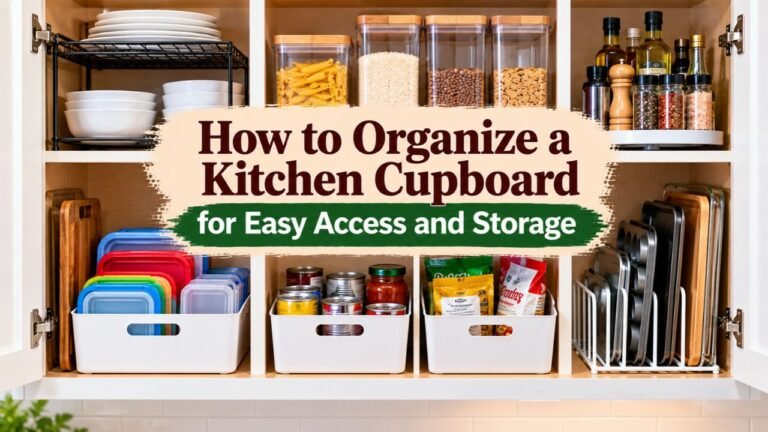
Grouping Foods in Clear Pull-Out Bins to Prevent Lost Items
Deep cabinet shelves make it easy for small grocery items to slide into the dark back corner and expire unnoticed. Grouping your food inside clear acrylic pull-out bins with front handles turns every cupboard shelf into a sliding pantry drawer.
Dedicate one clear bin to “Baking Essentials,” one to “Canned Goods,” and another to “Breakfast Items.” When you need a can of crushed tomatoes, you pull the entire clear acrylic bin forward like a drawer, grab your can, and slide it back without reaching blindly into the dark.
Using Three-Tier Stadium Step Risers for Spices and Small Jars
Hunting for garlic powder or ground cumin behind a wall of tall olive oil bottles slows down meal preparation. Placing a three-tier expandable plastic stadium step riser inside your upper cabinet or on a shelf elevates each successive row by 2 inches.
Every spice jar, vitamin bottle, and vanilla extract extract stands fully visible at a glance, just like cans on a grocery store shelf.
Key Takeaway: Double cabinet capacity using wire shelf risers, group groceries inside clear pull-out bins, and set spices on tiered stadium risers so no food item gets lost.
How to Decant Dry Goods Into Airtight Containers
Storing staple ingredients in their original paper bags and cardboard boxes on open shelves or in cabinets invites moisture, spills, and pantry pests. Decanting dry goods protects your food while making your kitchen look calm and orderly.
Choosing Square Stackable Canisters Over Round Jars
While decorative round glass mason jars look appealing on social media, round containers leave wasted circular gaps between them when packed tightly on a shelf.
Square or rectangular BPA-free acrylic modular canisters eliminate those dead spaces, saving roughly 15 to 20 percent more shelf space than round jars because they sit flush side-by-side. Use a waterproof chalk marker or label maker to write the ingredient name and expiration date on the bottom or back of each container.
Selecting Foods Worth Decanting Versus Foods to Leave in Packages
You do not need to decant every single grocery item you buy. Decanting works best for loose, floppy bulk items that make a mess or attract bugs when left in torn bags:
- Decant Into Canisters: All-purpose flour, granulated sugar, brown sugar, white rice, rolled oats, dried lentils, chia seeds, coffee beans, and breakfast cereal.
- Leave in Original Packaging: Canned goods, boxed pasta, instant noodle packets, granola bars, and foil-wrapped snacks that stay sealed until consumption.
Protecting Decanted Food From Heat and Light
Because your food is stored on open shelves, in rolling carts, or inside standard cabinets rather than inside a dark, climate-controlled pantry closet, placement matters for food safety and flavor preservation.
Keep your glass jars and acrylic food canisters on the lower and middle shelves of your storage units, positioned well away from the stove, oven vents, and dishwasher, where ambient temperatures fluctuate wildly. Reserve high top shelves near the ceiling—where heat rises and lingers—for paper plates, extra napkins, or baking sheets.
Key Takeaway: Decant floppy bulk dry goods into space-saving square stackable canisters, leave individually packaged items in their boxes, and keep food containers away from stove heat.
Renter-Friendly Ways to Add Pantry Storage Without Drilling Walls
Renters facing a pantry-free kitchen often deal with strict lease agreements that prohibit drilling holes into plaster walls or cabinetry. Several high-capacity storage setups rely entirely on tension, gravity, and removable adhesives instead of power tools.
Hanging Multi-Tier Over-the-Door Pantry Racks
If your kitchen has an entry door, a pantry closet door, a utility door, or a nearby hallway door, the back of that vertical panel can hold an entire grocery store aisle of food. Choose a full-length over-the-door metal pantry rack that hooks securely over the top edge of the door and fastens at the bottom with a stabilizing bracket so baskets do not swing or bang when the door moves.
With six to eight adjustable wire tiers, a single over-the-door rack holds dozens of spice bottles, pasta sauce jars, peanut butter tubs, cereal boxes, and snack pouches without occupying a single inch of floor or counter space.
Utilizing Magnetic Refrigerator Side Racks for Quick-Grab Food
Unless your refrigerator is built directly into custom wood cabinetry, both steel sides of the fridge offer roughly 10 to 15 square feet of magnetic vertical storage.
Stick a heavy-duty magnetic refrigerator caddy rack onto the side panel facing your counter. Without drilling a single screw hole, a magnetic rack securely supports 10 to 15 pounds of olive oil cruets, salt cellars, foil wrap boxes, and coffee syrup bottles right within arm’s reach of your prep area.
Securing Lightweight Spice Pods With Alcohol-Prepped Adhesive Strips
When mounting spice racks to painted drywall or tile, wipe the surface thoroughly with isopropyl rubbing alcohol first to strip away microscopic cooking grease and steam residue; otherwise, kitchen oils will cause the adhesive pads to peel loose over time. Limit adhesive strips to lightweight items under 5 pounds, such as magnetic spice tins or lightweight plastic snack baskets.
Key Takeaway: Add massive storage without drilling by hanging a multi-tier over-the-door pantry rack, sticking magnetic caddies to your fridge sides, and prepping surfaces with alcohol before applying adhesive hooks.
5 Steps to Set Up and Maintain a Pantry-Free Kitchen
Putting a pantry-free kitchen storage system together works best when you follow a logical sequence rather than buying organizers at random. Follow these five steps to build your food storage setup in a single afternoon:
- Empty and Audit Every Food Item: Gather all dry goods, cans, and snacks onto a table, discard expired items, and wipe down your cabinet shelves.
- Position Your Large Freestanding Storage Units: Set up your slim rolling gap cart or shallow bookcase first, ensuring it does not block appliance doors or heavy traffic paths.
- Install Over-the-Door Racks and Cabinet Risers: Hang your multi-tier over-the-door pantry rack on a nearby door and place wire shelf risers or clear pull-out bins inside your kitchen cupboards.
- Decant Bulk Staples and Label Bins: Pour flour, sugar, and rice into square stackable canisters, group snacks and canned goods inside matching clear bins, and place them in their designated cooking zones.
- Run a Monthly Restock and Expiration Check: Because food storage is scattered across carts, doors, and cabinets in a pantry-free home, spend ten minutes once a month checking expiry dates and rotating older canned goods to the front.
Common Mistakes to Avoid When Organizing Without a Pantry
Even well-planned food storage setups can fail if they fight your daily cooking habits. Watch out for these common pitfalls:
- Storing Heavy Canned Goods on High Shelves: Placing heavy glass jars or multi-pack canned tomatoes on top-tier shelves makes your storage units top-heavy and creates a dangerous drop hazard when reaching overhead. Keep heavy items below chest level.
- Placing Food Storage Directly Next to the Stove: Storing cooking oils, spices, and whole-grain flours right next to a hot oven or range accelerates spoiling and attracts pests. Keep food zones away from direct stove heat.
- Forgetting to Measure Door Swing Clearance: Before attaching a rack to the inside of a cabinet or pantry door, measure the gap between the closed door and the interior shelf edge to ensure the door still closes completely flat.
- Buying Organizers Before Measuring Cupboard Depth: Ordering deep plastic storage bins before measuring your cabinet shelves often results in bins that stick out too far, preventing cabinet doors from shutting.
- Leaving Bulk Packaging Uncontained on Open Shelves: Stacking loose snack bags, half-open pasta boxes, and condiment packets in a pile on an open shelf creates visual clutter and invites pantry moths. Always use clear bins or canisters.
Conclusion
Knowing how to organize a small kitchen without a pantry comes down to replacing a missing walk-in closet with smart vertical solutions: slim rolling gap carts, multi-tier over-the-door racks, clear acrylic cabinet bins, and stackable square food canisters. When every box of pasta, can of tomatoes, and bag of flour has a designated home outside of a traditional pantry, cooking in a compact kitchen feels effortless.
Start by auditing your food inventory, discarding expired items, and grouping your groceries into functional cooking zones. Set up a slim rolling cart or an over-the-door rack today, and decant your loose bulk staples into clear, airtight containers.
I recommend tackling your dry goods storage step-by-step—pick one cabinet or the side of your refrigerator to organize this afternoon. Once your ingredients are visible, secure, and easy to reach, preparing everyday meals becomes faster, cleaner, and far more enjoyable.
FAQs About Organizing a Kitchen Without a Pantry
Where do you store food if your kitchen has no pantry?
When a kitchen lacks a pantry, you can store food by using a slim rolling utility cart slid into narrow gaps next to the refrigerator, hanging a multi-tier wire rack over the back of a kitchen or hallway door, installing clear pull-out bins inside existing upper and lower cabinets, or placing a shallow 12-inch bookcase against a blank wall.
How do I keep dry goods fresh without a pantry?
Protect dry goods from moisture and pests by decanting loose staples like flour, sugar, rice, and oats into square, airtight, stackable acrylic canisters with silicone gaskets. Keep packaged snacks and grains inside clear pull-out plastic bins on cabinet shelves, and store all food away from stove heat and direct sunlight.
How can I store canned goods neatly without pantry shelves?
Store canned goods vertically inside low, sturdy clear acrylic bins on lower cabinet shelves so you can pull the whole bin out like a drawer, or place them on the lower tiers of a heavy-duty rolling utility cart where the weight stays close to the floor. You can also use over-the-door wire racks designed specifically for canned food storage.
What is the best way to organize spices when you don’t have a pantry?
Mount magnetic spice tins onto the steel side of your refrigerator, place a three-tier expandable stadium step riser inside an upper cabinet so every spice label is visible at a glance, or hang a slim spice rack on the inside of a base cabinet door.
How do I make a small kitchen look less cluttered with open food storage?
To prevent open food storage from looking messy, transfer loose cereal, flour, and grains into uniform square stackable canisters, and group packaged snacks and sauce packets inside matching opaque or clear acrylic baskets. Keeping items color-coordinated and contained makes open shelves look intentional rather than chaotic.
What is a renter-friendly way to add pantry storage in a small apartment?
Renters can add heavy-duty pantry storage without drilling holes by using over-the-door metal wire racks that hook securely over a door top, sliding slim rolling carts into dead floor gaps, and placing freestanding modular shelving units in dining nooks or hallways where lease agreements allow non-permanent furniture.


One Comment